





This page highlights any new content added to the National Diabetes Prevention Program (National DPP) Coverage Toolkit within the last six months. New content updates will be posted here on a monthly basis. The Coverage Toolkit updates are developed in alignment with our partners’ technical assistance needs, focusing on the information partners need to plan for, operationalize, and sustain payer coverage for the National DPP lifestyle change program.
To view past Coverage Toolkit changes, see the Quarterly Bulletins page which summarizes the changes made between November 2021 – July 2024.
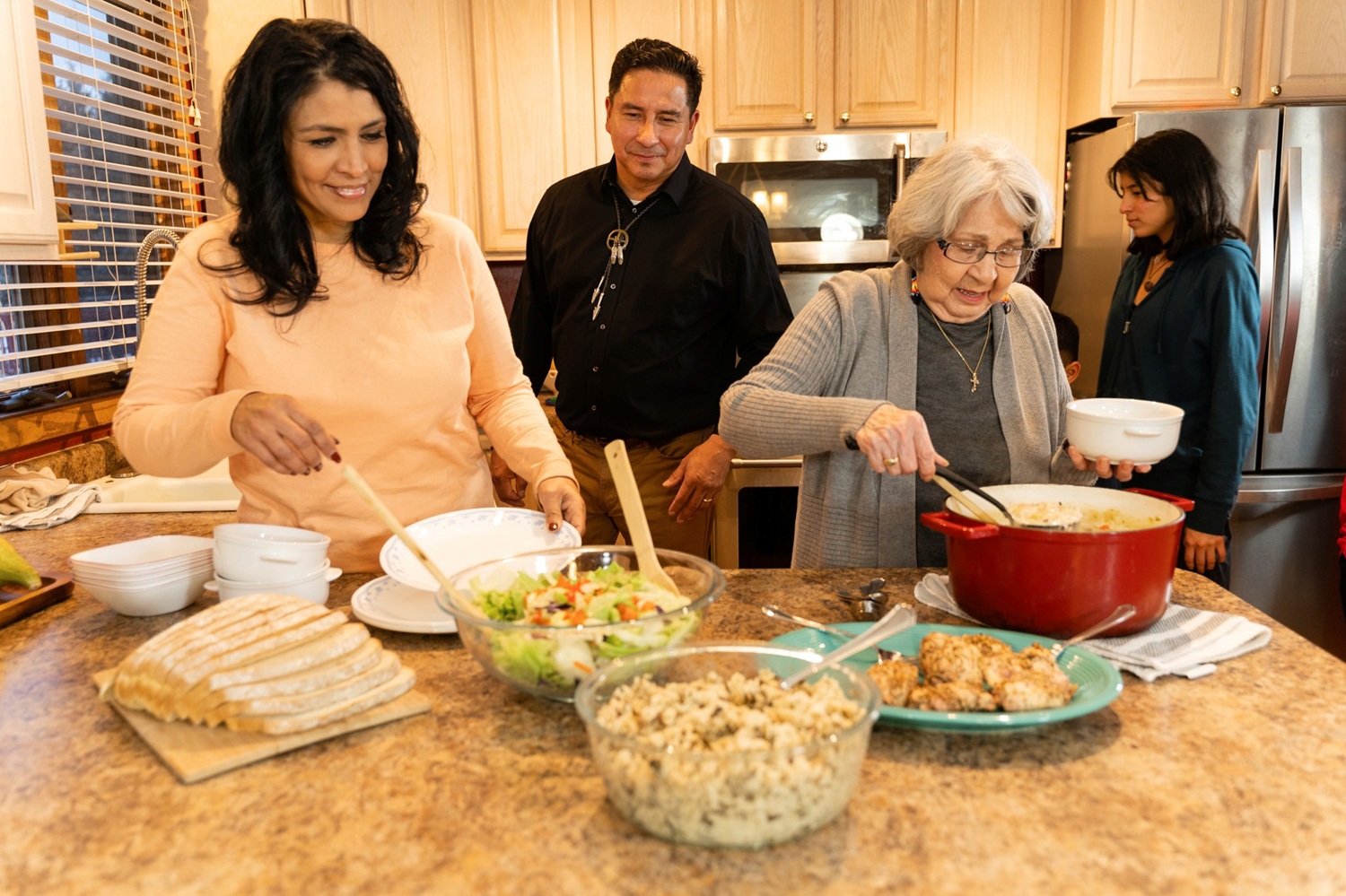
The adaptation reflects and honors the cultural identities, lived experiences, and health priorities of Native participants. Through close collaboration with tribal leaders, Native-owned agencies, expert panels, and field-testing partners, CDC has co-created a curriculum that reflects community values, traditional knowledge, and diversity of AI/AN communities while maintaining the evidence-based foundation of the PreventT2 curriculum.
What’s New:
Culturally relevant physical activity and nutrition examples, including traditional foods and movement.
Updated character stories, images, and language to reflect Native identities and support trauma‑informed learning.
A clear distinction between ceremonial and commercial tobacco use.
New content acknowledging historical trauma and its impact on health.
An expanded focus on community support, family, connection, and group activities.
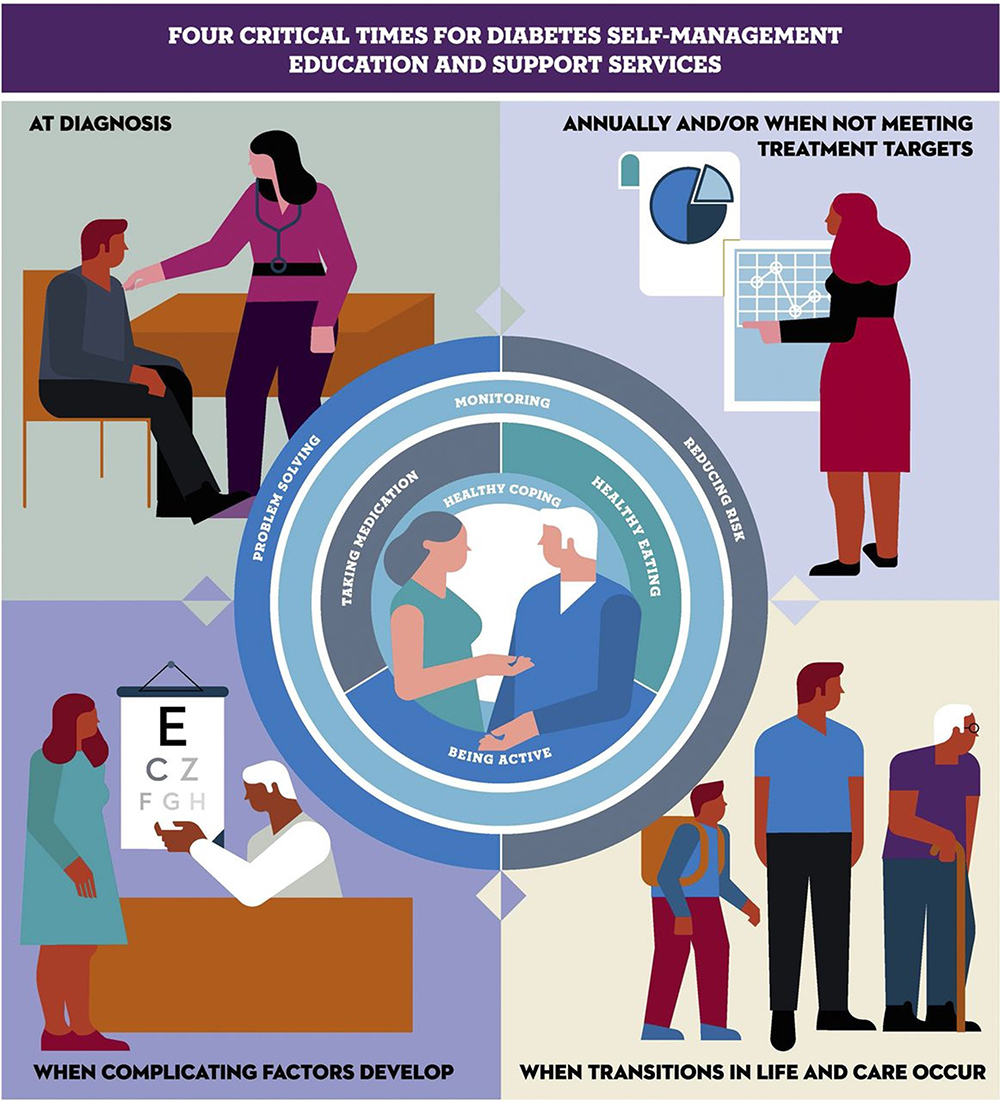
This new page provides an overview of diabetes self-management education and support (DSMES) and diabetes self-management training (DSMT) programs for a state health department audience. Content includes information on Medicaid coverage for DSMES, key DSMES Medicaid benefit decision points, facilitators and barriers to Medicaid beneficiary enrollment in DSMES, and Medicare coverage for DSMT.
Family healthy weight programs (FHWPs) are evidence-based, family-centered childhood obesity initiatives aimed at increasing healthy habits and decreasing risks associated with obesity. This page provides an introduction to FHWPs, describes opportunities for reimbursement, and outlines examples of FHWPs in practice.
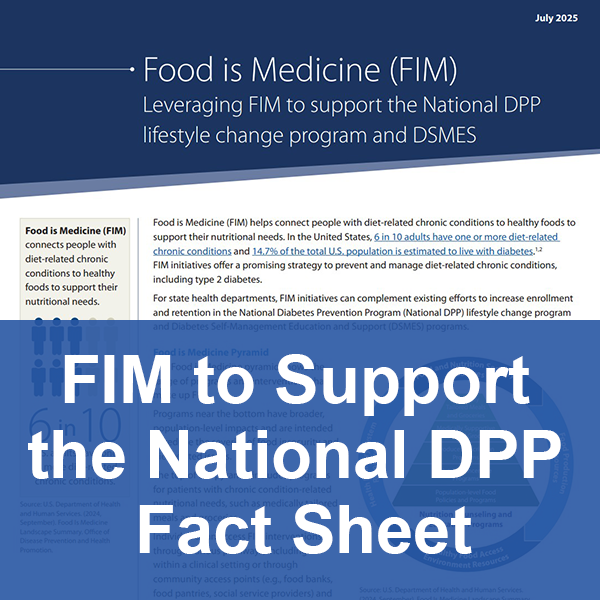
This page defines Food is Medicine (FIM) and describes how FIM initiatives could be used to support the goals of National DPP lifestyle change program. It also includes state examples of FIM interventions.