




Partnerships & Populations
This section provides resources about how to engage with various partners and populations in supporting and enrolling in the National Diabetes Prevention Program (National DPP) lifestyle change program.
This page provides information and examples for how state agencies can assess the landscape and technical assistance needs of CDC-recognized organizations, expand the capacity of the state network through support of existing and recruitment of new organizations, help organizations develop business acumen skills for successfully engaging with payers, and explore options for providing third-party or collective administrative support. Many of the state examples relate to Medicaid coverage of the National DPP lifestyle change program, yet the strategies and lessons learned may be applied more broadly.

The devastating and costly health impacts of type 2 diabetes are magnified in correctional facilities. There are opportunities to lower the diabetes risk of individuals who are incarcerated by providing the National DPP lifestyle change program in correctional facilities.

Federally Qualified Health Centers (FQHCs) are comprehensive, community-based primary care providers that offer affordable care in areas with high need for health care. This page focuses on Medicaid and Medicare reimbursement of FQHCs delivering the National DPP lifestyle change program.

Pharmacists and pharmacy staff can play a key role in scaling the National DPP lifestyle change program. This page provides resources, strategies, and examples for engaging pharmacies in identifying eligible patients, referring and enrolling patients in the National DPP lifestyle change program, or becoming CDC-recognized organizations.

Community-based organizations (CBOs) can play a key role in scaling the National DPP lifestyle change program by integrating local insights and a deep understanding of community needs, resources, and dynamics with program delivery.

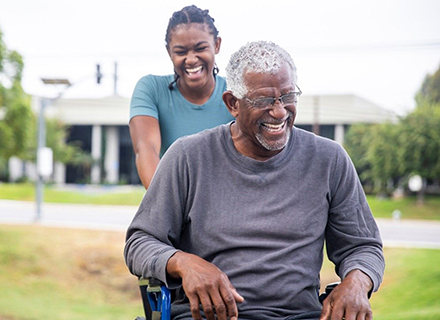
This page provides guidance on how to ensure that delivery of the National DPP lifestyle change program is accessible to individuals with disabilities and includes examples of initiatives aimed at developing programs from NACDD’s DP17-1705 work.
Individuals with a previous gestational diabetes diagnosis have a much higher risk of developing type 2 diabetes, and participation in the National DPP lifestyle change program has been shown to decrease that risk. This page provides guidance on how to effectively engage this population in the program.